

Best Induction Cooktop for Modern Kitchens
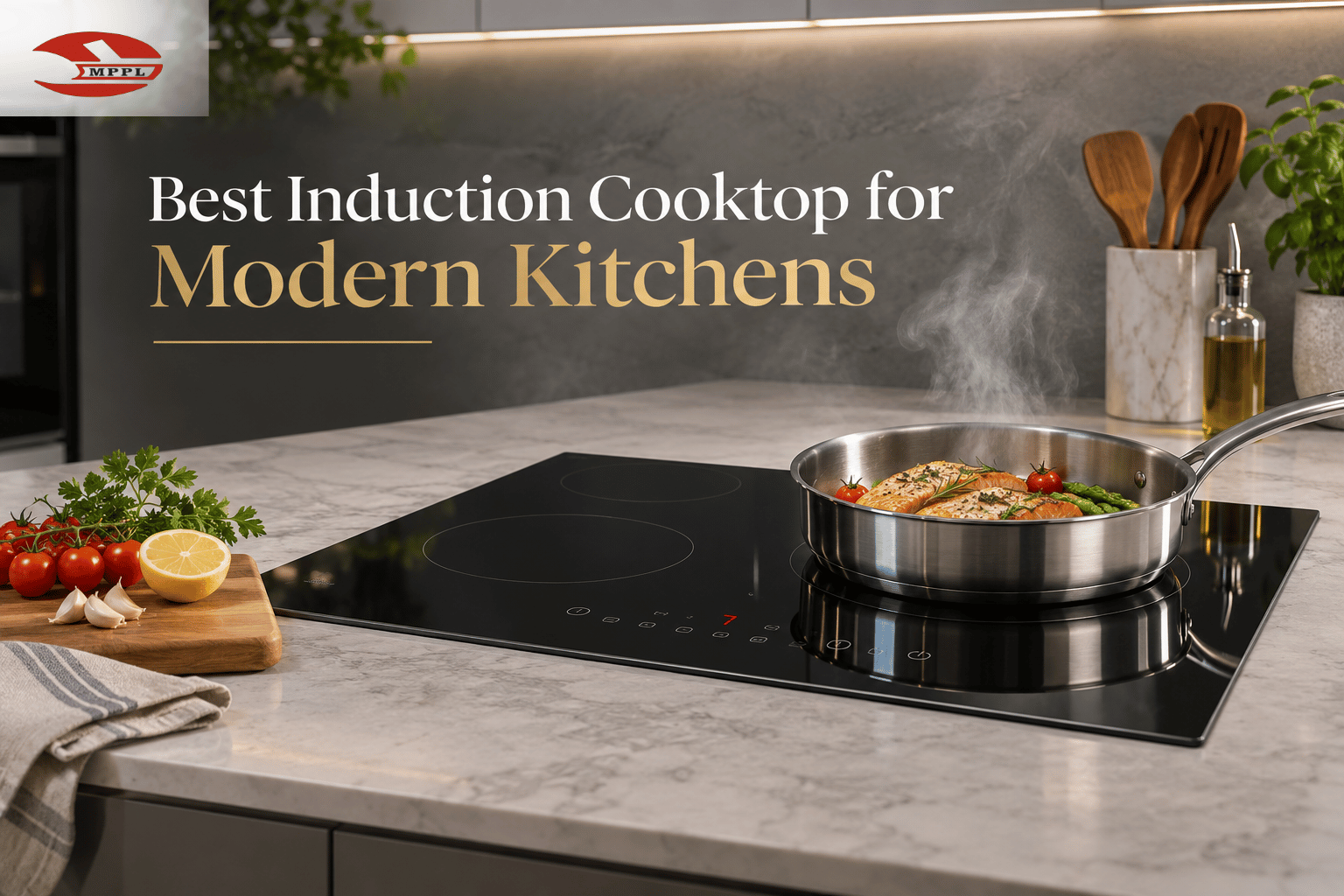
Ever had your gas cylinder run out halfway through dinner? It happens more than we admit. That’s often when people start eyeing induction. Honestly, the switch is much easier than most people think. The best induction cooktop is quicker, cleaner, and far easier to live with than a gas burner. It also suits modern kitchens really well. Here’s what to know, what to look for, and a few mistakes worth skipping before you spend a single rupee.
What Makes Induction Different
There’s no flame. Copper coils sit under the glass and create a magnetic field. That field heats the pan itself, not the air around it. The glass only gets warm because the pan touches it.
The result? Water boils in a flash.
Day to day, you’ll notice:
- Quick heating
- A cooler kitchen in summer
- Spills that wipe right off
- Heat you can actually control
Tip for the first week: start on a medium setting. Induction reacts quicker than gas, so food can burn before you notice. You’ll get the hang of it in a few meals.
Why It Fits Modern Kitchens
Think of a small kitchen counter in a city flat. Every inch matters. The best induction cooktop is slim and easy to tuck away when you’re done.
Cleaning takes a minute, not a weekend. No grates, no burnt-on gunk. Just a damp cloth.
Safety counts too, especially with children around. There’s no open flame and no gas smell to worry about. Most models also shut off if you lift the pan.
Then there’s energy. Almost all the heat goes into the pan, so less is wasted. Your electricity bill may rise a little, but your gas refills drop.
Features of the Best Induction Cooktop
Prices vary a lot, so don’t buy on looks alone. Check these things first, and ignore the flashy extras.
- Power of 1800W to 2200W for everyday Indian cooking
- Preset modes for rice, dal, and tea
- Child lock and overheat protection
- Scratch-resistant glass top
- A built-in timer
- A quiet cooling fan
Size matters too. Two burners suit bigger families, while a single plate is plenty for one or two people.
Pans That Work and Pans That Don’t
Here’s the catch. Induction only works with magnetic cookware. Grab a fridge magnet and press it against the bottom of your pan. If it sticks, you’re fine.
Flat, thick bases heat more evenly. Tiny or warped pans can struggle.
Safe bets include:
- Stainless steel pans
- Cast iron tawas and kadhais
- Pots labelled induction-ready
Pure aluminium, copper, and glass won’t heat.
How to Choose the Best Induction Cooktop
Start with how you cook. A family making three meals a day needs more power than a single person living alone. Then look at the warranty and the service network. A cheap unit with no support gets expensive fast.
Common mistakes people make:
- Buying on wattage alone, without checking build quality
- Forgetting to check your socket and wiring
- Dragging rough pans across the glass
- Blocking the cooling vents
Ventilation is easy to forget. Induction burns no gas, but frying still throws up smoke and smell. A modern kitchen chimney clears that out.
If you like lighter meals, an air fryer makes a good partner for it.
Final Thoughts
So, which one should you pick? The best induction cooktop is the one that matches how your family actually cooks. MPPL highlights the importance of choosing appliances that combine performance, safety, and durability. Check the power, look at the safety features, and make sure your pans are compatible. Read a few reviews before you pay. It will sit in your kitchen for years. If you enjoy practical home appliance guides and manufacturing insights, drop by MPPL for more. Make the switch once, and you probably won’t look back at gas.