

Industrial Manufacturing Solutions for Quality, Innovation, and Efficiency
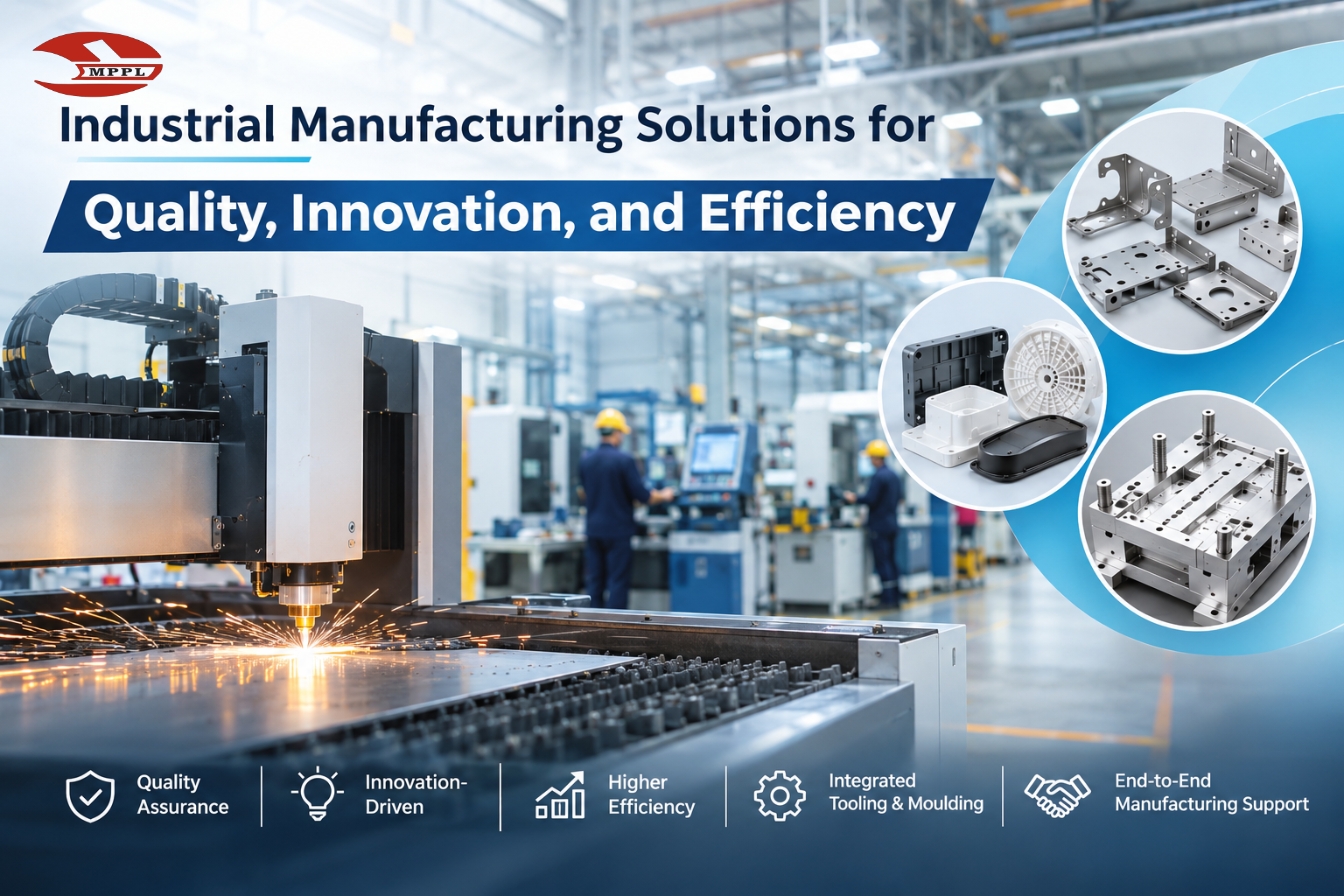
Industrial manufacturing doesn’t get much attention, and that’s a shame. Think about the last thing you bought. Someone had to design it, test it, and build it right, thousands of times over. We’ve seen how much effort hides behind a simple product. So here’s a plain talk about what makes a factory dependable, and what you should ask before placing your next order. No sales pitch, just what we’ve learned over the years on the floor.
Industrial Manufacturing Lives in the Small Details
A hole drilled 0.1 mm off looks fine to the eye. Then the part reaches assembly and won’t fit. Now a whole batch sits there, waiting.
Tools wear. Shifts change. Small drifts pile up faster than anyone expects, which is why good plants measure often and fix early.
Cars are the harshest test. Parts live with heat and vibration for years. Here’s how a leading automotive components manufacturer keeps that precision steady, batch after batch.
Where Quality Really Gets Decided
Most people picture quality as a final inspection. By then, though, the scrap is already piled up. Fixing a batch later costs far more than doing it right the first time.
The checks that actually matter look like this:
- Raw material tested before it enters the shop
- First piece approved before a full run starts
- Spot checks while the machine is running
- Packing checked before the truck leaves
Certificates help, but paper alone proves little. Ask to see the checks happening on the floor.
Industrial Manufacturing Inside Your Own Home
Walk through your kitchen and bathroom. Water heater, cooler, mixer, chimney. Every one started as sheet metal and plastic pellets.
A geyser has a simple job: heat water safely without eating power. Getting there takes tight seals and a lot of testing.
Fit and finish matter more than people admit. A rattling panel or a loose knob can spoil the whole experience, even when the motor is great.
Coolers have it rough too. Dust, long summers, daily use. A cheap one feels fine on day one. By the second summer, you’ll know the difference.
Why Tooling and Moulding Save So Much Time
Industrial manufacturing leans heavily on good moulds. A well-made mould gives you the same part ten thousand times. A poor one warps things, leaves flash on the edges, and slows the whole line.
That’s why injection moulding needs careful tool design first. Gate position, cooling channels, wall thickness: each one changes how a part comes out. Sort these early and cycle times drop.
Smooth-running factories tend to share a few habits:
- They keep tool rooms in-house
- They plan maintenance before breakdowns
- They train operators instead of just hiring them
Picking a Manufacturing Partner Without Regret
Price matters, sure. But the cheapest quote often hides costs that show up later, like delays and rework. Ask past clients how problems were handled.
Visit the plant if you can. Honestly, it beats reading any brochure.
Before deciding, ask these:
- Can they handle design, tooling, and production together?
- Which quality certifications do they hold?
- Can they grow with your order size?
MPPL works with OEMs across different sectors and offers end-to-end support. That setup saves a lot of back-and-forth.
Final Thoughts
Industrial manufacturing rewards patience. Shortcuts rarely last, and good habits always show in the finished product. If you’re buying parts or appliances, ask hard questions and listen to how people answer. Honest suppliers don’t mind that at all, because they’ve nothing to hide. MPPL is one name worth a look. For more reads like this, browse our blog. A good supplier makes your work easier, and honestly, that’s worth more than any discount you’ll get along the way.